
AI, Choice, and Everyday Tech
When Your AI Assistant Becomes the Default
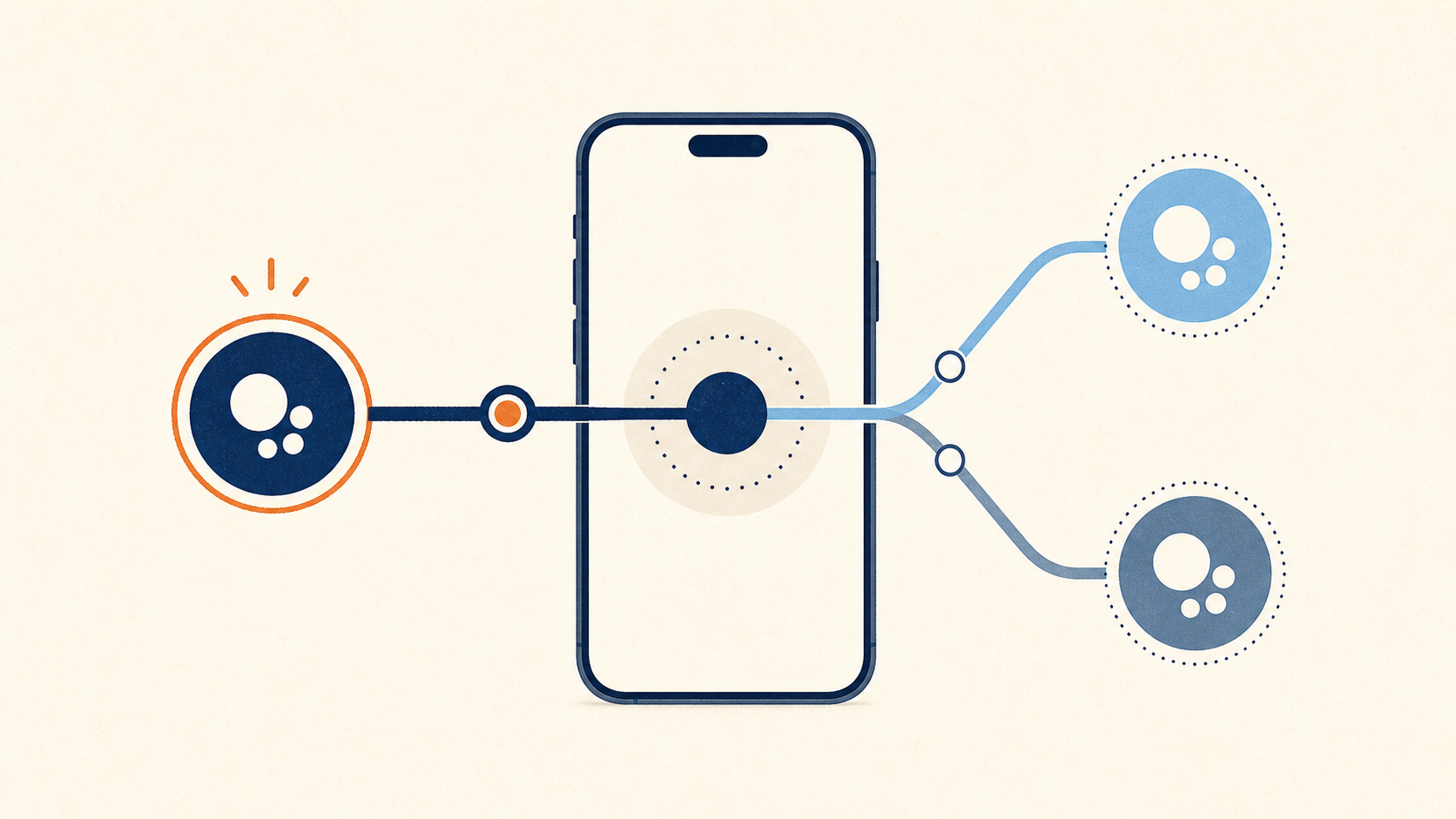
The EU's new rules for AI choice on Android point to a quiet question for everyone using AI: when a tool is built in, does it become the answer before we have really chosen it?
The European Union is requiring Google to open more Android features to competing AI services and to share certain Google Search data with rivals. It is a regulatory story, but it also points to a familiar everyday question: when an AI assistant comes built into the phone, browser, search box, or workplace suite, how much of our trust is a real preference and how much is simply the path that was already waiting for us?
Most people do not wake up hoping to conduct a full comparison of assistants. We want the fastest useful answer. That is reasonable. The interesting part is how quickly convenience can become a judgment about quality, neutrality, or reliability. A tool does not have to be secretly manipulative to influence us; being the first, easiest, or most integrated option can do plenty of the work.
The first lesser-known trap is the default effect. People often stick with a preselected option because changing it takes effort, signals uncertainty, or simply never occurs to them. With AI, the default can shape which assistant gets our questions, what kind of answer style becomes familiar, and which limitations we stop noticing. A default is not proof that the tool is bad. It is a reminder that ease of access is not the same thing as a deliberate choice.
The second trap is automation bias. When a system produces a fluent answer, a clean summary, or a confident recommendation, it can feel easier to accept than to check. The risk is not only factual error. It is letting the system's framing decide what counts as relevant, which sources deserve attention, or whether uncertainty belongs in the answer. The more polished the output, the easier it is to forget that a tool still needs supervision.
The third trap is algorithm appreciation. Sometimes we give an automated judgment extra weight precisely because it seems less emotional, more consistent, or more advanced than a human opinion. That instinct can be useful when a system is well matched to the task. It becomes a trap when technical polish stands in for asking basic questions: what data shaped this response, what incentives shaped the product, and what would another tool or source show me differently?
That is why the current debate matters beyond Android. The big question is not whether people should use AI assistants. It is whether choice remains visible once an assistant is woven into the device. A menu with alternatives is helpful, but the deeper habit is learning to notice when the first option has quietly become the only option we seriously consider.
A practical AI habit is to match the tool to the task. For a consequential claim, compare a second source. For a sensitive decision, ask what the assistant may be assuming. For a creative task, try a deliberately different prompt or another system before calling the first answer the best answer. These are small checks, but they turn AI from an automatic path into a considered tool.
Before treating the built-in assistant as the obvious one, ask: did I choose this tool for the task, or did it become my choice because it was already there?
Sources and Context
Check question: Did I choose this tool for the task, or did it become my choice because it was already there?